
名人字画真伪鉴定需要注意哪些事项!
 发布时间:2026-05-28
  作者:大雅堂美术馆
  文章来源:https://www.jndyt888.com/
  浏览量:0
浏览量:0
名人字画的真伪鉴定,是一场结合了历史、文学、艺术乃至材料科学的深度博弈。面对市场上层出不穷的赝品与高仿,鉴定早已超越了简单的“看画”,而是演变成了一套严密的逻辑推理与经验实证体系。从传统的目鉴心证到现代的科技辅助,想要穿透岁月的迷雾,还原艺术品的本来面目,需要掌握以下几个核心维度的鉴定方法。
The authenticity appraisal of celebrity calligraphy and painting is a deep game that integrates history, literature, art, and even material science. Faced with the endless stream of counterfeit and high imitation products in the market, identification has long gone beyond simple "looking at paintings" and evolved into a rigorous system of logical reasoning and empirical evidence. To penetrate the fog of time and restore the true nature of artworks, from traditional visual and emotional authentication to modern technological assistance, it is necessary to master the following core dimensions of identification methods.
一、 目鉴为本:笔墨、气息与时代风格
1、 Based on visual perception: brush and ink, atmosphere, and contemporary style
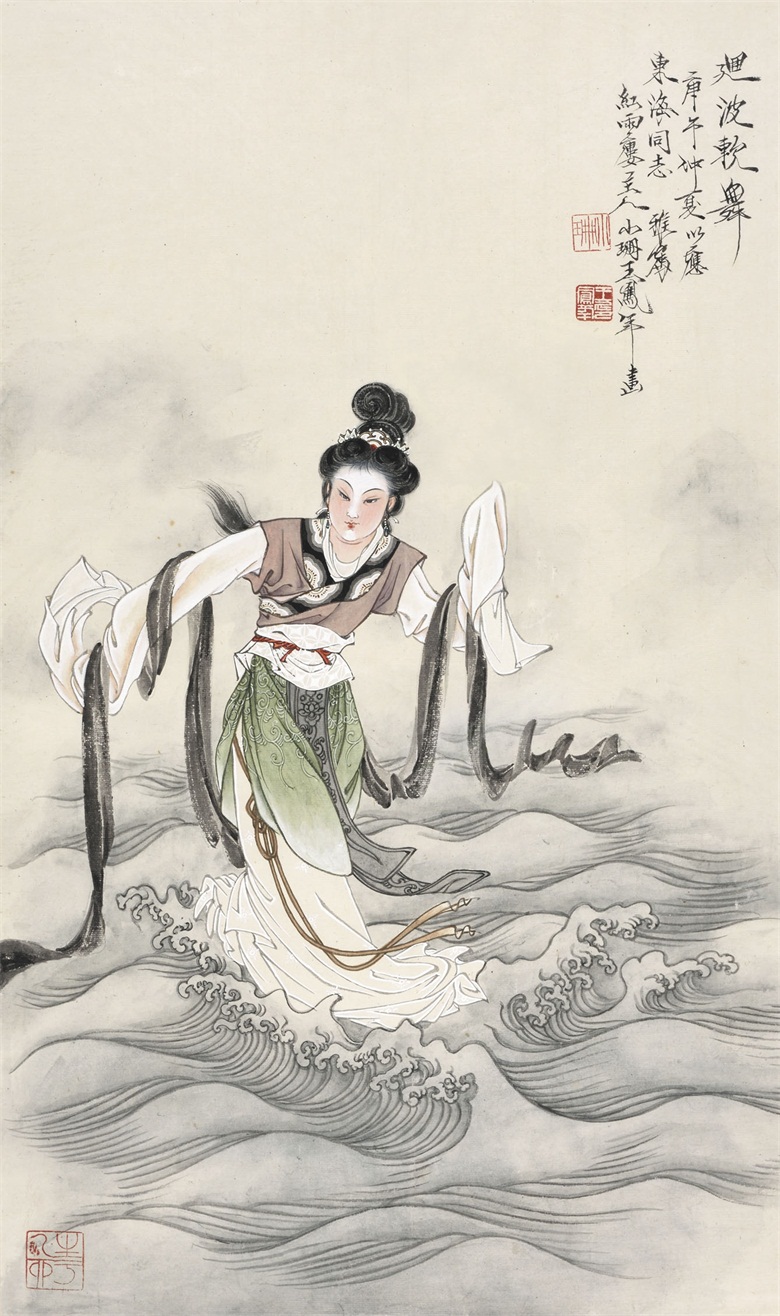
中国书画的核心在于“气韵生动”。真迹的笔墨是艺术家情感、修养与功力的瞬间迸发,线条有节奏,墨色有呼吸,整体气韵贯通。而明显复制品,无论技术多么高超,都难免显得板滞、匠气,缺乏那种直击人心的生命力。在鉴定时,首先要“远观其势”,感受画面的整体神韵;其次要“近察其质”,通过高倍放大镜仔细观察线条的起笔、行笔、收笔。真迹的笔触丰富多变,中锋侧锋转换自如,飞白自然;而仿品的线条往往匀速无力,或者在模仿时显得犹豫、笨拙,如同“描红”。
The core of Chinese calligraphy and painting lies in its vivid and lively charm. The authentic brushwork is an instant burst of the artist's emotions, cultivation, and skills, with rhythmic lines, breathing ink colors, and a cohesive overall aura. And any replica, no matter how advanced the technology is, inevitably appears sluggish and lacks the vitality that strikes the heart. When identifying, the first step is to "observe its momentum from a distance" and feel the overall charm of the picture; Secondly, it is necessary to "closely examine its quality" by carefully observing the starting, running, and ending of the lines through a high-power magnifying glass. The authentic brushstrokes are rich and varied, with the center forward and sidekick changing freely, and the flying white is natural; The lines of imitations are often uniform and weak, or appear hesitant and clumsy during imitation, like "drawing red".
此外,时代风格是鉴定的重要标尺。每个朝代的书画在笔墨特性、纸张绢帛、落款称呼上都有鲜明的烙印。例如,清代晚期的作品中对人的称谓往往是两三种合署的,而把“大人”、“先生”合起来称谓的作品,一般作于清代道光以后。鉴定专家往往能通过对这些细微时代特征的敏锐捕捉,迅速判断作品是否“到代”。
In addition, the style of the era is an important criterion for identification. The calligraphy and painting of each dynasty have distinct imprints on the characteristics of brushwork, paper, silk, and signature titles. For example, in works of the late Qing Dynasty, the titles for people were often a combination of two or three forms, while works that combined the titles of "adult" and "gentleman" were generally created after the reign of Emperor Daoguang in the Qing Dynasty. Experts in appraisal can often quickly determine whether a work is "dated" by keenly capturing these subtle characteristics of the era.
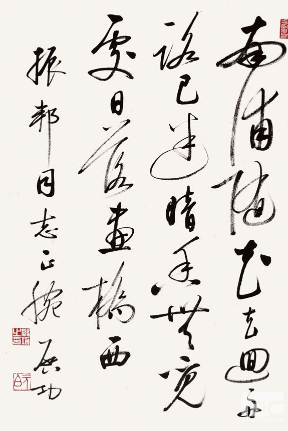
二、 考订为据:文献、印章与流传有序
2、 Based on: Documents, seals, and orderly circulation
除了直观的视觉判断,严谨的文献考证(即“考订”)是去伪存真的另一把利剑。这包括对题跋、鉴藏印记以及历代著录的详细核查。许多高明的作伪者可以模仿画家的笔法,却很难伪造出一套天衣无缝的流传历史。
In addition to intuitive visual judgment, rigorous literature review (i.e. "proofreading") is another sharp sword to eliminate falsehood and preserve truth. This includes a detailed examination of the postscript, the seal of the collection, and the historical records. Many skilled counterfeiters can imitate the painter's brushwork, but it is difficult to forge a seamless set of historical records.
在鉴定过程中,印章的篆法、印泥的色泽以及钤盖的立体感都是关键证据。例如,清代的印泥多用朱砂调制,厚重沉稳,颜色像熟透的枣皮,且印泥会自然渗入纸纤维,具有明显的凹凸感;而现代印刷或伪造的印章,往往颜色浮艳,在放大镜下能看到由网点组成的“数字指纹”,且印面平坦光滑。同时,通过查阅《石渠宝笈》等权威著录,核对作品的尺寸、题识与历史记载是否紧密贴合,往往能发现赝品在逻辑上的明显漏洞。
In the identification process, the seal technique, the color of the ink, and the three-dimensional effect of the seal are all key evidence. For example, in the Qing Dynasty, the ink paste was often made of cinnabar, which was thick and steady, with a color like ripe jujube skin. The ink paste naturally seeped into the paper fibers, giving it a distinct concave convex feeling; Modern printed or forged seals often have vibrant colors, and under a magnifying glass, a "digital fingerprint" composed of dots can be seen, with a flat and smooth surface. At the same time, by consulting authoritative records such as the "Shiqu Baoji" and checking whether the size, inscription, and historical records of the work fit perfectly, it is often possible to discover fatal loopholes in the logic of the counterfeit.
三、 科技为辅:材料与微观痕迹的量化
3、 Technology as a supplement: quantification of materials and microscopic traces
随着作伪手段进入“科技化”时代,高清微喷、半印半绘甚至数控绘画层出不穷,单纯依靠经验有时难免遭遇瓶颈。此时,现代科技手段成为了鉴定的有力补充。科技鉴定主要侧重于对纸张、绢帛、颜料等物质材料的年代测定与微观分析。例如,通过碳十四测年可以确定纸张的大致年代区间;通过光谱分析可以检测颜料成分是否符合特定朝代的工艺特征。
With the advent of the "technological" era of counterfeiting methods, high-definition micro spraying, semi printing and semi painting, and even CNC painting are emerging one after another. Relying solely on experience sometimes inevitably encounters bottlenecks. At this point, modern technological means have become a powerful supplement to identification. Technological appraisal mainly focuses on the dating and microscopic analysis of materials such as paper, silk, and pigments. For example, carbon-14 dating can determine the approximate age range of paper; Spectral analysis can be used to detect whether the pigment composition conforms to the technological characteristics of a specific dynasty.
但需要注意的是,科技并非万能。正如启功先生所言,书画鉴定存在“模糊性”。科技可以划定年代范围,但无法完全替代对艺术风格的感知。非常理想的鉴定状态,是“软硬件结合”,即利用科技手段排除明显的现代仿品,再结合传统的目鉴经验与文献考据,对作品的艺术价值与历史真伪进行综合研判。
However, it should be noted that technology is not omnipotent. As Mr. Qigong said, there is ambiguity in the appraisal of calligraphy and painting. Technology can define the age range, but it cannot completely replace the perception of artistic style. The most ideal state of appraisal is the combination of software and hardware, which means using technological means to eliminate obvious modern imitations, and then combining traditional visual appraisal experience and literature research to comprehensively judge the artistic value and historical authenticity of the work.
四、 辩证看待:真伪之外的历史价值
4、 Dialectical View: Historical Value Beyond Authenticity
在名人字画的鉴定中,我们还需具备超越“非真即伪”二元对立的辩证思维。历史上存在大量“代笔”现象(如董其昌晚年由弟子代笔)以及精良的古摹本(如唐代冯承素摹《兰亭序》)。这些作品虽然在严格意义上不属于原作者的“真迹”,但它们非常大限度地还原了原作的艺术特征,甚至保留了已失传的艺术风貌,具有出众的艺术史研究价值。
In the appraisal of celebrity calligraphy and painting, we also need to possess dialectical thinking that transcends the binary opposition of "either true or false". In history, there have been numerous instances of "ghostwriting" (such as Dong Qichang having his disciples ghostwrite in his later years) and excellent ancient copies (such as Feng Chengsu's imitation of "Preface to the Orchid Pavilion" in the Tang Dynasty). Although these works do not strictly belong to the "authentic works" of the original author, they have maximized the restoration of the artistic features of the original work, and even preserved the lost artistic style, with extremely high research value in art history.
因此,在面对一幅存疑的名人字画时,既要严防“世故人情”的干扰和利益驱动下的盲目定性,也要学会从艺术史语境中挖掘其独特的历史价值。真正的鉴定,不仅是辨别真伪,更是对一段文化历史的尊重与守护。
Therefore, when facing a doubtful celebrity calligraphy or painting, we must not only guard against the interference of "worldly wisdom and human feelings" and blind characterization driven by interests, but also learn to explore its unique historical value from the context of art history. True identification is not only about distinguishing truth from falsehood, but also about respecting and protecting a cultural history.
山东省书画收购鉴定评估中心






 首页
首页 产品
产品 电话
电话 置顶
置顶